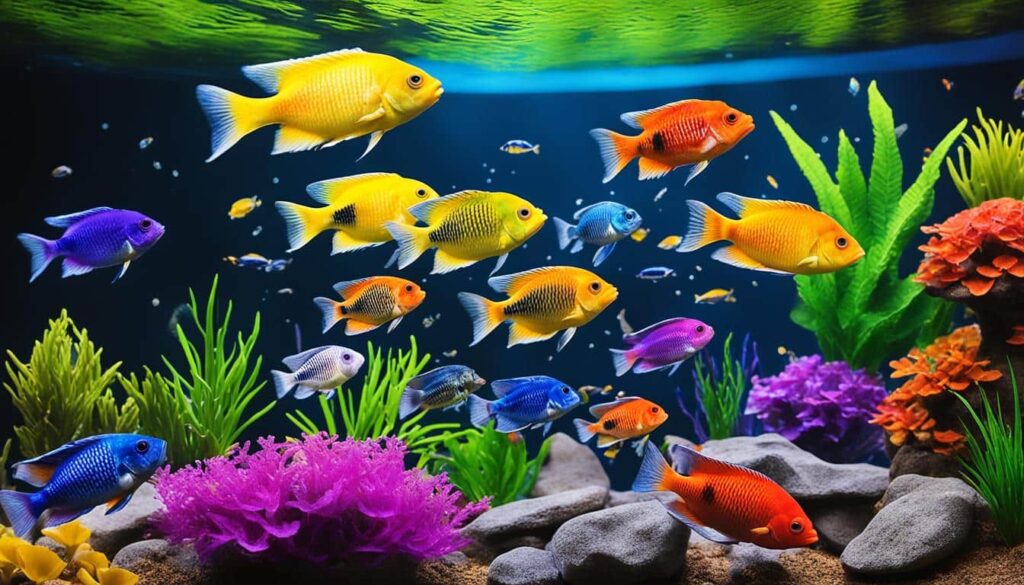
In this comprehensive guide, we will provide expert tips and insights on how to properly care for African cichlids in your aquarium. African cichlids are a popular choice among fish enthusiasts due to their vibrant colors and unique behaviors. However, they require specific care to thrive in captivity, including an appropriate tank setup, proper feeding, and understanding their social structure.
Creating the ideal habitat for African cichlids is crucial to their health and well-being. We will discuss the key elements of an African cichlid tank setup, including tank size, filtration, temperature, and decorations. Maintaining proper water quality is also essential, and we will cover topics such as water parameters, filtration systems, and regular maintenance routines.
Feeding African cichlids a nutritious diet is crucial for their growth and overall health. We will discuss their dietary needs and provide recommendations on the best types of food to feed them. Understanding the behavior and social structure of African cichlids is important for creating a harmonious community in your aquarium, and we will explore their hierarchical nature, mating behaviors, and compatibility with other fish species.
Breeding African cichlids can be a rewarding experience, and we will discuss the basics of cichlid reproduction, including courtship behaviors, successful breeding strategies, and caring for the fry. Choosing compatible tankmates is another important aspect, and we will provide a list of suitable fish species that can coexist with African cichlids without causing territorial conflicts.
We will also cover common African cichlid diseases, their symptoms, prevention measures, and treatment options. Additionally, if you’re new to keeping African cichlids, we have tips and recommendations specifically tailored for beginners, including easy-to-care-for cichlid species and simplified tank setups.
By following the expert tips and insights provided in this guide, you will have the knowledge needed to create a vibrant and healthy African cichlid community in your own aquarium. For tickets or information on how to become a vendor at our show, contact LA Pet Fair Today at 619-281-7387.
Key Takeaways:
- Proper tank setup is crucial for African cichlid care, including tank size, filtration, and temperature.
- Maintain optimal water quality through regular parameter checks and proper filtration systems.
- Provide a balanced and nutritious diet for the growth and health of African cichlids.
- Understand their behavior and social structure to create a harmonious community.
- Breeding African cichlids requires knowledge of courtship behaviors and proper fry care.
African Cichlid Species Overview
African cichlids are a diverse group of cichlid fish known for their vibrant colors and unique behaviors. With over 1,000 species, this group of fish offers a wide range of options for aquarium enthusiasts. Each species has its own unique characteristics and care requirements, making them a fascinating and rewarding choice for fishkeepers.
Characteristics of African Cichlids
- African cichlids are known for their vibrant colors, ranging from electric blues and fiery reds to bright yellows and oranges.
- These fish come in various sizes, with some species reaching only a few inches in length while others can grow up to a foot or more.
- African cichlids exhibit diverse behaviors, including territoriality, complex social hierarchies, and specialized feeding habits.
Popular African Cichlid Species
Here are some of the most popular African cichlid species that you can consider adding to your aquarium:
- Malawi Cichlids: Known for their vibrant colors and active nature, Malawi cichlids are a popular choice among aquarists. They are native to Lake Malawi and are best kept in spacious tanks with plenty of hiding spots.
- Tanganyika Cichlids: Tanganyika cichlids originate from Lake Tanganyika and are known for their unique breeding behaviors. They come in a variety of sizes and colors, adding visual interest to any aquarium.
- Victoria Cichlids: Native to Lake Victoria, these cichlids are known for their resilience and adaptability. They can thrive in a wide range of water conditions and are suitable for both beginner and experienced fishkeepers.
These are just a few examples of the diverse range of African cichlid species available in the aquarium trade. Each species has its own unique care requirements, so it’s important to research and understand the specific needs of the species you choose.
Whether you’re a beginner or an experienced aquarist, African cichlids offer endless fascination and beauty for your aquarium. With their vibrant colors and diverse behaviors, they are sure to be a stunning addition to any fish tank.
Contact LA Pet Fair Today at 619-281-7387 for tickets or information on how to become a vendor at our show!
African Cichlid Tank Setup
Creating the ideal habitat for African cichlids is crucial to their health and well-being. When setting up your African cichlid aquarium, it’s important to consider several key elements that will contribute to a thriving environment for these vibrant fish.
Tank Size: African cichlids are active swimmers and require ample space to roam. It is recommended to provide a tank with a minimum capacity of 50 gallons for a small community of African cichlids. Larger tanks will allow for more fish and provide additional swimming space.
Filtration: Proper filtration is essential for maintaining water quality in your African cichlid aquarium. A robust filtration system, such as a canister filter, will help remove debris and keep the water clean and oxygenated. It’s important to choose a filter that can handle the size of your tank and the waste produced by cichlids.
Temperature: African cichlids prefer warmer water temperatures ranging from 75 to 82 degrees Fahrenheit (24 to 28 degrees Celsius). Use a reliable aquarium heater to maintain a stable temperature within this range. It’s also recommended to have a thermometer to monitor the water temperature regularly.
Decorations: African cichlids appreciate a well-decorated tank with plenty of hiding spots and territories. Use a mix of rocks, caves, and driftwood to create natural and visually appealing structures. These decorations not only provide hiding places but also help replicate their natural habitat.
By carefully considering these key elements, you can create an optimal environment for your African cichlids to flourish. Remember to regularly monitor water parameters and perform routine maintenance to ensure the health and well-being of your fish.
Contact LA Pet Fair Today at 619-281-7387 for tickets or information on how to become a vendor at our show!
Water Quality and Maintenance
Maintaining proper water quality is crucial for the health and well-being of your African cichlids. In this section, we will discuss important topics related to water parameters, filtration systems, and regular maintenance routines that are essential for creating optimal conditions in your aquarium.
Water Parameters
When it comes to African cichlid care, ensuring the right water parameters is vital. These fish thrive in water with specific characteristics. The ideal pH range for African cichlids typically falls between 7.8 and 8.6, while the water hardness should be around 10-20 dGH.
It’s important to monitor and maintain stable water conditions by conducting regular water tests. Test kits are readily available and can help you keep track of pH, ammonia, nitrite, and nitrate levels. Maintaining proper water parameters is essential for the overall health and vitality of your African cichlids.
Filtration Systems
An efficient filtration system is crucial for maintaining clean and healthy water in your African cichlid aquarium. A combination of different filtration methods, such as mechanical, biological, and chemical filtration, is recommended to ensure optimal water quality.
Consider using a high-quality canister filter or a sump system that provides adequate biological filtration for your African cichlids. Mechanical filtration helps remove debris and particles from the water, while chemical filtration can be achieved using activated carbon or other filter media.
Regular Maintenance Routines
Regular maintenance routines play a significant role in ensuring the well-being of your African cichlids. Here are some essential tasks to include in your maintenance schedule:
- Regular water changes: African cichlids are sensitive to water quality, so it’s important to perform regular partial water changes. Aim to change approximately 20-30% of the water every 1-2 weeks to remove accumulated toxins and maintain the desired water parameters.
- Gravel vacuuming: Use a gravel vacuum during water changes to remove any debris or uneaten food that may accumulate on the substrate. This will help prevent the build-up of harmful substances and maintain a clean and healthy environment for your fish.
- Filter maintenance: Clean your filtration system regularly to prevent clogs and ensure optimal performance. Follow the manufacturer’s instructions for cleaning and replacing filter media to maintain efficient filtration.
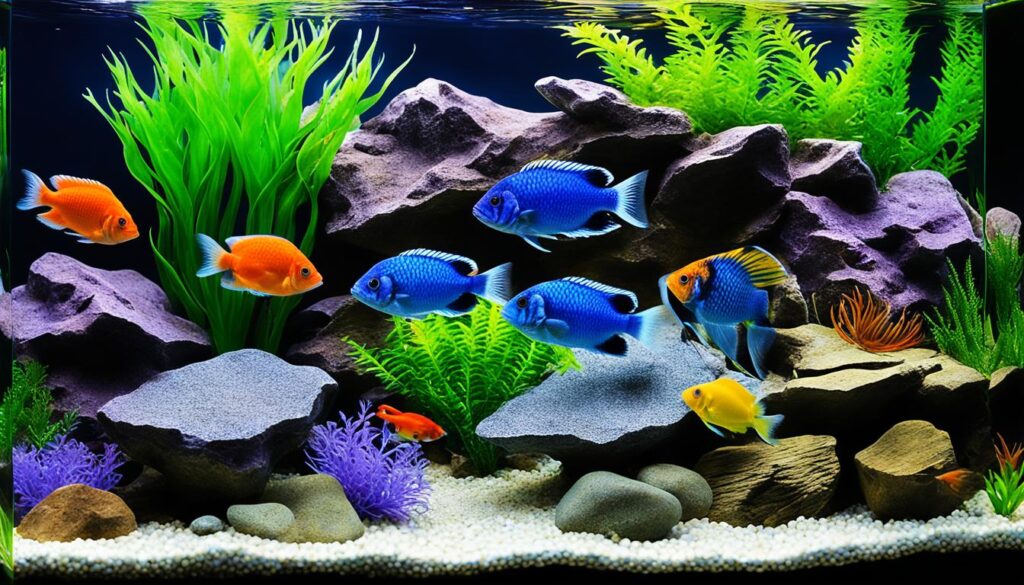
By monitoring water parameters, maintaining an efficient filtration system, and following regular maintenance routines, you can provide the best possible care for your African cichlids. Clean and healthy water is fundamental to their overall health and longevity, and it will contribute to the vibrant and thriving community in your aquarium.
Contact LA Pet Fair Today at 619-281-7387 for tickets or information on how to become a vendor at our show!
Feeding African Cichlids
Proper nutrition plays a vital role in ensuring the growth and overall health of your African cichlids. Understanding their dietary needs and providing them with suitable food is key to maintaining their well-being. In this section, we will delve into the feeding requirements of African cichlids and offer recommendations on the best types of food to include in their diet.
African cichlids are omnivorous and have a diverse diet in the wild. To mimic their natural feeding habits, it is important to offer a varied and balanced diet in captivity. This can be achieved by combining high-quality commercial cichlid pellets with fresh and frozen foods.
Recommended Diet for African Cichlids:
- Cichlid Pellets: Choose high-quality pellets specifically formulated for African cichlids. Look for options that contain a balanced mix of protein, vitamins, and minerals.
- Live and Frozen Foods: Supplement the pellet diet with occasional feedings of live or frozen foods. Offer brine shrimp, bloodworms, daphnia, and other small invertebrates to provide additional nutrients.
- Vegetables and Spirulina: African cichlids can also benefit from plant matter in their diet. Consider feeding them blanched vegetables like spinach, lettuce, peas, and spirulina flakes.
- Supplements: To support optimal health, you may want to add vitamin and mineral supplements to their diet. Consult with your local aquarium store for suitable options.
When feeding your African cichlids, it is important to maintain a regular schedule and avoid overfeeding. Feed them small portions multiple times a day, rather than a large amount all at once. Monitor their eating habits and adjust the amount of food accordingly, ensuring that they consume it within a few minutes.
By offering a diverse and nutritious diet, you can support the vibrant colors, growth, and overall vitality of your African cichlids. Remember to observe their behavior and make adjustments to their diet as needed. Providing the right nourishment will contribute to the long-term health and well-being of these magnificent fish.
For tickets or information on how to become a vendor at our show, contact LA Pet Fair Today at 619-281-7387.
African Cichlid Behavior and Social Structure
Understanding the behavior and social structure of African cichlids is essential for creating a harmonious community in your aquarium. These fascinating fish possess a hierarchical nature and exhibit various mating behaviors. Additionally, it is crucial to consider their compatibility with other fish species when designing your African cichlid tank.
Hierarchical Nature
African cichlids are known for their complex social hierarchies. Within a cichlid community, dominant individuals establish territories and assert their authority. Subordinate cichlids must respect the boundaries set by the dominant fish to minimize conflicts and maintain order. By providing ample hiding spots and separate territories, you can help reduce aggression and establish a more balanced social structure within your aquarium.
Mating Behaviors
African cichlids have fascinating mating behaviors. Males often display vibrant colors, elaborate fin displays, and even construct intricate nest structures to attract females. Courtship rituals can involve chasing, dancing, and even mouth-brooding, where the male carries the fertilized eggs in his mouth until they hatch. It is essential to provide adequate space and appropriate breeding setups to facilitate successful breeding and ensure the safety of the fry.
Compatibility with Other Fish
When selecting tankmates for your African cichlids, it is vital to consider compatibility. Due to their territorial nature, African cichlids may exhibit aggressive behavior towards certain species. Researching and choosing fish with similar size, temperament, and care requirements can help minimize conflicts and promote a peaceful community. Always provide ample hiding spots and areas for retreat to reduce stress and territorial disputes among different fish species.
In conclusion, understanding the behavior and social structure of African cichlids is crucial for creating a thriving aquarium community. By paying attention to their hierarchical nature, mating behaviors, and compatibility with other fish, you can provide a harmonious environment that promotes the well-being of your African cichlids and other tank inhabitants.
Contact LA Pet Fair Today at 619-281-7387 for tickets or information on how to become a vendor at our show!
Breeding African Cichlids
Breeding African cichlids can be a truly rewarding and exciting endeavor for aquarium enthusiasts. Whether you’re looking to expand your fish collection or simply witness the natural wonders of life in your tank, understanding the basics of cichlid reproduction is essential. In this section, we will explore the fascinating world of African cichlid breeding, from courtship behaviors to successful breeding strategies and caring for the fry.
1. Courtship Behaviors
Before breeding, African cichlids engage in elaborate courtship rituals to establish pairs and ensure successful mating. These courtship behaviors often involve displays of vibrant colors, territorial behaviors, and intricate movements. Observing and understanding these courtship behaviors can provide valuable insights into the readiness and compatibility of the cichlids for breeding.
2. Successful Breeding Strategies
When it comes to breeding African cichlids, there are several strategies you can employ to increase the chances of successful reproduction. One popular method is to set up a species-specific breeding tank, providing a controlled environment that encourages spawning. This can include creating appropriate hiding places, providing suitable water conditions, and offering a nutritious diet. Another strategy is introducing a male and female cichlid pair into a well-established community tank and allowing them to form a natural bond before spawning.
3. Caring for the Fry
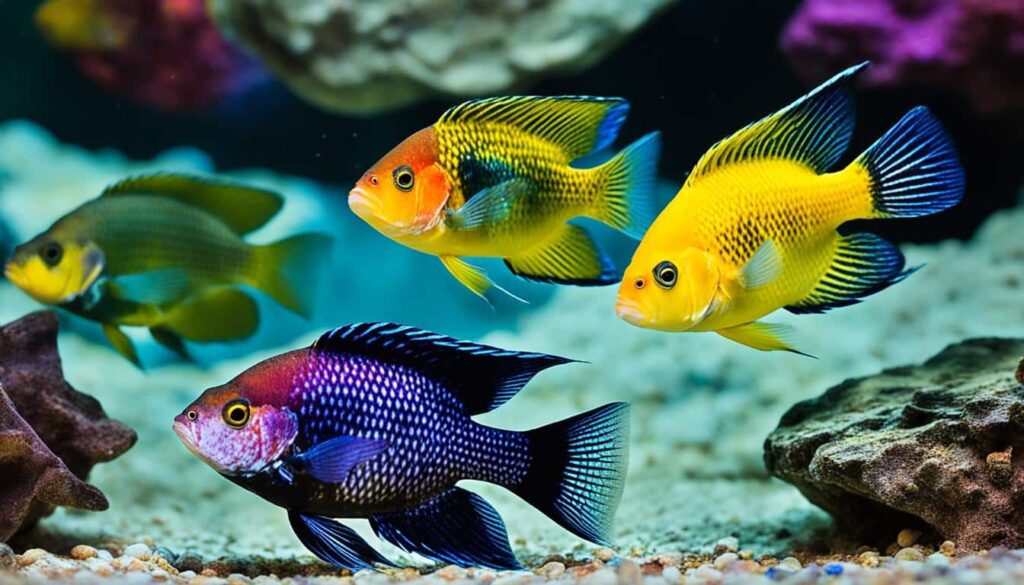
Once the cichlids successfully breed, it’s essential to provide proper care for the fry to ensure their survival. Many cichlid species exhibit mouthbrooding behavior, where the female holds the fertilized eggs in her mouth until they hatch. During this period, it’s crucial to provide appropriate nutrition and ensure optimal water conditions to support the growth and development of the fry. Separating the fry from adult fish is also recommended to prevent aggression and increase their chances of survival.
By understanding and implementing effective breeding strategies, you can be rewarded with a thriving population of African cichlids in your aquarium. Remember to tailor your approach to the specific species you are breeding, as different cichlid species may have varying requirements and behaviors during the breeding process.
Contact LA Pet Fair Today at 619-281-7387 for tickets or information on how to become a vendor at our show!
African Cichlid Tankmates
Choosing compatible tankmates for your African cichlids is crucial to maintain a peaceful and balanced aquarium. It’s important to select fish species that can coexist with African cichlids without causing territorial conflicts.
Here is a list of suitable tankmates for African cichlids:
- Ancistrus plecos
- German Blue Rams
- Jullidochromis cichlids
- Molly fish
- Tropheus cichlids
- Gouramis
- Rainbowfish
- Electric blue hap cichlids
These fish species have been known to coexist peacefully with African cichlids, as they have similar water temperature and pH requirements. However, always monitor the tank dynamics closely to ensure compatibility and make any necessary adjustments.
When introducing new tankmates to your African cichlid community, it’s recommended to quarantine them first to prevent the spread of diseases. Additionally, providing ample hiding spots and territories within the tank can help reduce aggression and promote a harmonious environment.
Remember, the compatibility of tankmates can vary depending on the specific species and individual fish behavior. It’s essential to do thorough research on each species to ensure a successful and well-balanced aquarium.
Contact LA Pet Fair Today at 619-281-7387 for tickets or information on how to become a vendor at our show!
Common African Cichlid Diseases
As caretakers of African cichlids, it’s essential to be aware of the common diseases and parasites that can affect these vibrant fish. Understanding the symptoms, prevention measures, and treatment options for these health issues is crucial in maintaining the well-being of your African cichlids.
1. Bloat
Bloat, also known as Malawi bloat, is a common disease that affects African cichlids. It is caused by a bacterial or parasitic infection and can lead to swelling of the fish’s abdomen. Symptoms include loss of appetite, lethargy, and rapid breathing. To prevent bloat, maintain clean water conditions and feed your cichlids a balanced diet. Treatment involves isolating the affected fish and administering appropriate medication.
2. Ich (White Spot Disease)
Ich, or white spot disease, is a highly contagious parasitic infection that manifests as white spots on the fish’s body and fins. Affected cichlids may exhibit scratching against tank surfaces and increased breathing rate. To prevent ich, maintain optimal water quality and avoid drastic temperature changes. Treatment involves raising the temperature of the aquarium and administering medication specifically designed for ich.
3. Fin Rot
Fin rot is a bacterial infection that affects the fins and tail of African cichlids. It is characterized by fraying, discoloration, and deterioration of the affected fins. Poor water quality and stress can contribute to the development of fin rot. To prevent this disease, ensure proper filtration and regular water changes. Treatment involves improving water conditions and administering antibiotic medication.
4. Velvet (Oodinium)
Velvet, or oodinium, is a parasitic infection that appears as a golden or rusty dust-like coating on the fish’s body. Affected cichlids may exhibit rapid breathing, loss of appetite, and flashing against tank surfaces. Maintaining excellent water quality and lowering stress levels can help prevent velvet. Treatment involves isolating infected fish and using medication specifically formulated for this disease.
5. Hole in the Head Disease
Hole in the head disease, or hexamita, is a bacterial infection that causes small holes or pits to form on the cichlid’s head and lateral line area. Poor water quality, nutritional deficiencies, and high nitrate levels can contribute to the development of this disease. To prevent hole in the head disease, maintain excellent water conditions and provide your cichlids with a varied and balanced diet. Treatment involves improving water quality and administering medication targeted at controlling the bacterial infection.
In addition to these common diseases, it’s important to remain vigilant and observe your African cichlids for any signs of illness. Regular water testing, proper feeding, and a stress-free environment are essential components of maintaining the overall health of your African cichlids.
Contact LA Pet Fair Today at 619-281-7387 for tickets or information on how to become a vendor at our show!
African Cichlids for Beginners
If you’re new to keeping African cichlids, you’re in the right place. We understand that starting with these vibrant fish can be both exciting and overwhelming. That’s why we’re here to provide you with tips and recommendations specifically tailored for beginners. By following our expert advice, you’ll be well-equipped to care for cichlid fish with confidence.
Easy-to-care-for Cichlid Species
When it comes to choosing cichlid fish for beginners, there are a few species that are known for their adaptability and tolerance. These species require minimal maintenance and are more forgiving of beginner mistakes:
- Electric Yellow Cichlid (Labidochromis caeruleus): Known for their striking yellow color, these cichlids are relatively easy to care for and can thrive in a variety of water conditions.
- Firemouth Cichlid (Thorichthys meeki): With their vibrant red throats and peaceful temperament, these cichlids are a great choice for beginner aquarists.
- Kribensis Cichlid (Pelvicachromis pulcher): These small and colorful cichlids are not only visually appealing but also relatively easy to care for, making them a popular choice for beginners.
Simplified Tank Setups
Setting up a cichlid aquarium doesn’t have to be complicated. As a beginner, it’s best to start with a simple tank setup that meets the basic needs of your African cichlids:
- Tank Size: While it depends on the species and number of cichlids you plan to keep, a general rule of thumb is a minimum tank size of 30 gallons. This provides enough swimming space and helps maintain water stability.
- Filtration: A quality filtration system is essential for keeping the water clean and clear. Look for filters suitable for your tank size and make sure to perform regular filter maintenance.
- Temperature and pH: African cichlids generally prefer warmer water with a temperature range of 74-82°F (23-28°C) and a pH level between 7.8 and 8.6. Use a reliable heater and thermometer to maintain optimal conditions.
- Decorations: Incorporate plenty of hiding spots and caves in your tank to mimic the natural habitat of cichlids. This helps reduce stress and promotes natural behavior.
To gain a better understanding of these beginner-friendly species and simplified tank setups, take a look at the image below:
Now that you have a basic understanding of African cichlids for beginners, you’re well on your way to creating a successful and rewarding aquarium experience. If you’d like to learn more about these fascinating fish or if you’re interested in attending our pet fair, contact LA Pet Fair Today at 619-281-7387 for tickets and vendor information.
Creating an African Cichlid Habitat
When setting up your African cichlid aquarium, it’s crucial to replicate their natural habitat to ensure their well-being and happiness. By recreating their native environment, you can provide them with the conditions they need to thrive. Here are some key elements to consider when creating an African cichlid habitat:
Aquarium Size
African cichlids are known for their active nature and territorial behavior. Therefore, it’s important to choose a sufficiently large aquarium to accommodate their needs. A general rule of thumb is to provide at least 30 gallons of water per adult cichlid.
Rocky Environment
African cichlids naturally inhabit rocky areas in their native lakes. Mimic this environment in your aquarium by adding plenty of rocks, caves, and crevices. These structures not only provide hiding places for your cichlids but also create territories for them to establish.
Sand Substrate
Use fine-grained sand as the substrate for your African cichlid habitat. This substrate closely resembles the sandy bottoms of their native lakes. Avoid using gravel, as cichlids are notorious for digging and sifting through the sand.
Water Parameters
For most African cichlid species, maintaining a pH level between 7.8 and 8.4 is essential. The water temperature should be kept between 75 to 82°F (24 to 28°C). Additionally, these fish thrive in hard water conditions, so ensure the water hardness falls within the range of 10 to 18 dH.
Aquarium Decorations
Aside from rocks, you can incorporate other types of aquarium decorations such as driftwood, plants, and artificial corals to add visual interest and complexity to the habitat. However, keep in mind that African cichlids can be destructive towards live plants, so choose hardy species like Anubias and Java Fern.
Cleaning and Maintenance
Regularly maintaining water quality is crucial for the overall health of your African cichlids. Perform regular water changes of 20 to 30% each week to remove any accumulated waste and maintain optimal water conditions. Use a high-quality filter system capable of handling the waste produced by these active fish.
Creating an African cichlid habitat that closely resembles their natural environment not only enhances their well-being but also brings out their vibrant colors and unique behaviors. By following these tips, you’ll be on your way to providing a thriving and captivating African cichlid community in your own aquarium.
Contact LA Pet Fair Today at 619-281-7387 for tickets or information on how to become a vendor at our show!
Conclusion
In conclusion, African cichlids are captivating fish that require proper care and attention to thrive in captivity. From creating the ideal tank setup to understanding their behavior and feeding requirements, we have provided expert tips and insights to help you ensure the health and well-being of your African cichlids.
By following the recommendations and guidelines outlined in this comprehensive guide, you will have the knowledge needed to create a vibrant and balanced African cichlid community in your own aquarium. Remember to maintain the proper water quality, provide a nutritious diet, and carefully choose compatible tankmates to promote a harmonious environment.
For tickets or information on how to become a vendor at our show, contact LA Pet Fair Today at 619-281-7387. Our team will be happy to assist you and provide further guidance in your African cichlid journey. Start the adventure of caring for these fascinating fish and enjoy the beauty they bring to your aquatic world!